
When planning a home renovation, construction project, or large cleanout, understanding dumpster rental regulations is crucial. Many people wonder whether they need a permit to place a dumpster on a street, sidewalk, or driveway. Knowing local rules avoids fines, ensures safe placement, and helps schedule your project efficiently. Choosing the right waste container types can streamline debris removal while complying with municipal regulations.
Large-scale projects often involve more than a single residential waste container. Construction, landscaping, or seasonal cleanouts may require multiple dumpsters, each with specific size and placement requirements. Municipalities may require a permit depending on location, size, and project duration. Understanding the dumpster and skip difference ensures property owners choose the proper solution while avoiding compliance issues and unnecessary delays.
A common question is the difference between a dumpster vs skip. Dumpsters are typically larger, stationary containers suitable for commercial or residential use, whereas skips are smaller and often used for temporary cleanouts. Skip vs dumpster comparisons reveal that size, loading style, and rental duration are key factors for selecting the correct container. Knowing what is a dumpster and what is a skip bin helps plan cleanup projects more efficiently.
The dumpster size guide helps determine which container fits your needs, avoiding overfilling or underutilization. Skips are more convenient for light debris, while dumpsters manage heavier, bulkier items in both residential and construction settings.
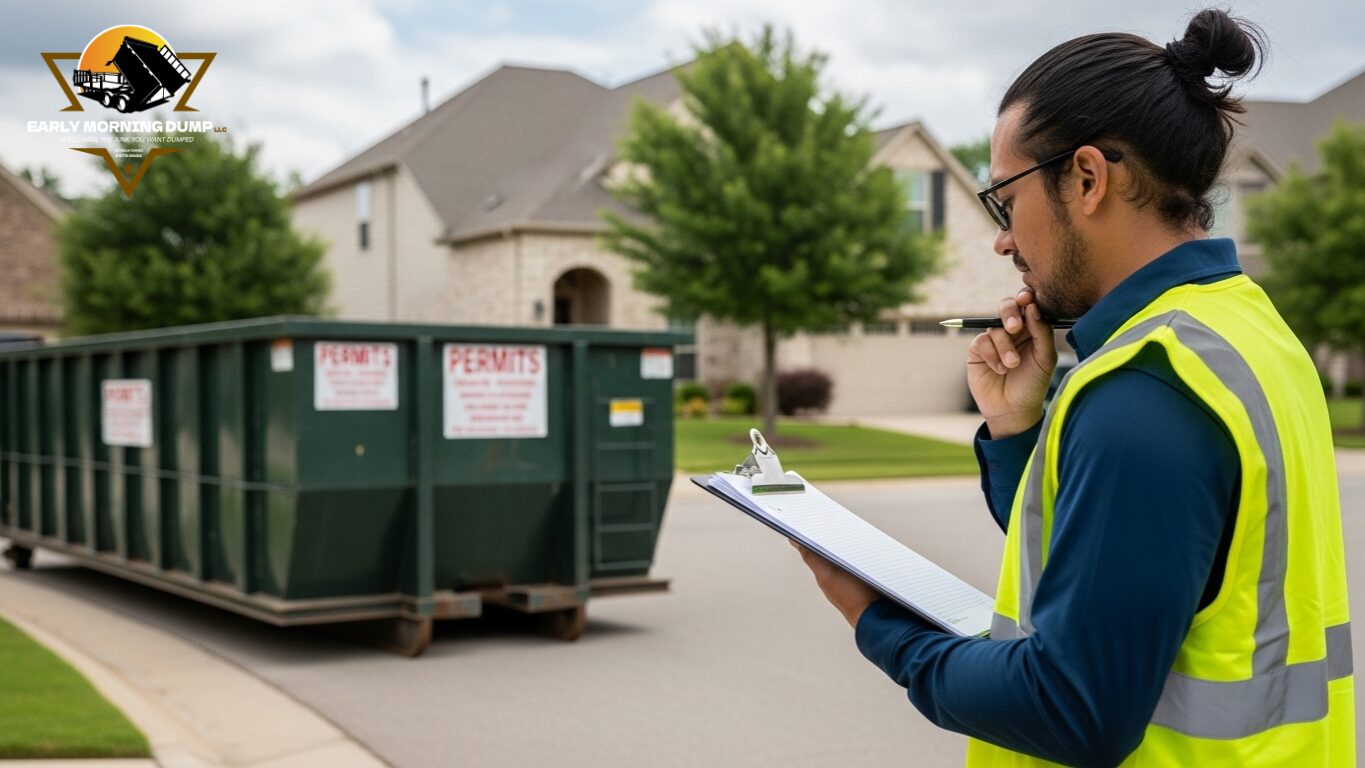
Many cities require permits if a dumpster rental is placed on public property, including streets or sidewalks. Permits ensure safety, protect pedestrians, and prevent obstruction of traffic. For residential projects, driveway placement usually does not require a permit, but confirming local ordinances is always advisable. Choosing the correct waste container types also influences whether a permit is necessary.
Professional rental services can advise homeowners on regulations and assist in obtaining the permit. For commercial properties or construction sites, proper planning ensures compliance while providing sufficient space for debris collection and removal. Dumpster rental services often include permit guidance as part of their support.
For home cleanouts, renovations, or seasonal decluttering, a residential waste container is often sufficient. Proper placement ensures safety, accessibility, and ease of loading. Understanding the dumpster and skip difference is essential to avoid overloading a small skip or using a container that is too large for your driveway.
Local ordinances may restrict placement near sidewalks or streets. If your project involves placing a dumpster rental for residential project, confirming permit requirements helps avoid fines. Professionals can also advise on weight limits and placement restrictions to ensure compliance.
Construction sites and commercial properties often require larger construction waste containers. The scale and type of debris dictate whether multiple dumpsters or a combination of skips and dumpsters are necessary. Knowing the dumpster vs skip differences helps managers select containers for heavy-duty waste like concrete, wood, and metal.
A permit may be required for placing dumpsters in public areas or near high-traffic zones. Rental providers can advise on proper documentation and placement to comply with local regulations. Construction dumpster rental services make managing debris for large-scale projects seamless.
Permit requirements, dumpster size, rental duration, and location all influence the cost of dumpster rental. Larger containers for commercial or construction projects are generally more expensive, while skips or small residential dumpsters are more affordable. Checking local regulations early helps prevent additional fees due to noncompliance.
Planning your project with residential waste containers in mind ensures efficient cleanup. Comparing skip vs dumpster options allows property owners to balance capacity and cost effectively. Dumpster rent cost resources help estimate expenses before scheduling delivery.
Selecting the proper waste container types is essential for project efficiency. Small cleanouts may require a skip bin, while major renovations need a full-sized dumpster. Understanding what is a dumpster versus what is a skip bin ensures you select the right container for your debris type, volume, and duration.
Professional rental companies provide guidance on container sizing, location planning, and permit acquisition. Residential dumpster rental helps homeowners avoid common mistakes like overfilling or underestimating waste volume, making cleanup faster and safer.
Obtaining a permit for dumpster rental depends on location, project type, and size of the container. Understanding dumpster and skip difference and skip vs dumpster allows homeowners and businesses to plan cleanouts efficiently. Choosing the correct waste container types, whether a skip or full dumpster, ensures compliance, safety, and timely debris removal. Professional services simplify permit acquisition, placement, and removal, providing peace of mind. Planning ahead with Early Morning Dump LLC ensures all regulatory requirements are met, helping homeowners, contractors, and businesses keep projects organized and on schedule.
In most cities, placing a dumpster on street requires a permit to ensure safety. The permit ensures the dumpster doesn’t block traffic, pedestrian access, or emergency routes. Local dumpster rules determine whether a permit is needed based on the location.
The cost of a dumpster rental permit varies based on the city and location. Typically, cities charge a fee depending on factors like location, duration, and size of the dumpster. Contact your dumpster rental near me provider for precise cost details.
The person renting the dumpster is typically responsible for securing the permit. However, in some cases, the dumpster rental company or contractor may handle the permit, especially for larger projects. Always confirm with your roll off dumpster rental service provider.